issue 01.A
EDITORIAL NOTE
[the] GFA Journal, Editor Dina Giordano
The Editorial Letter:
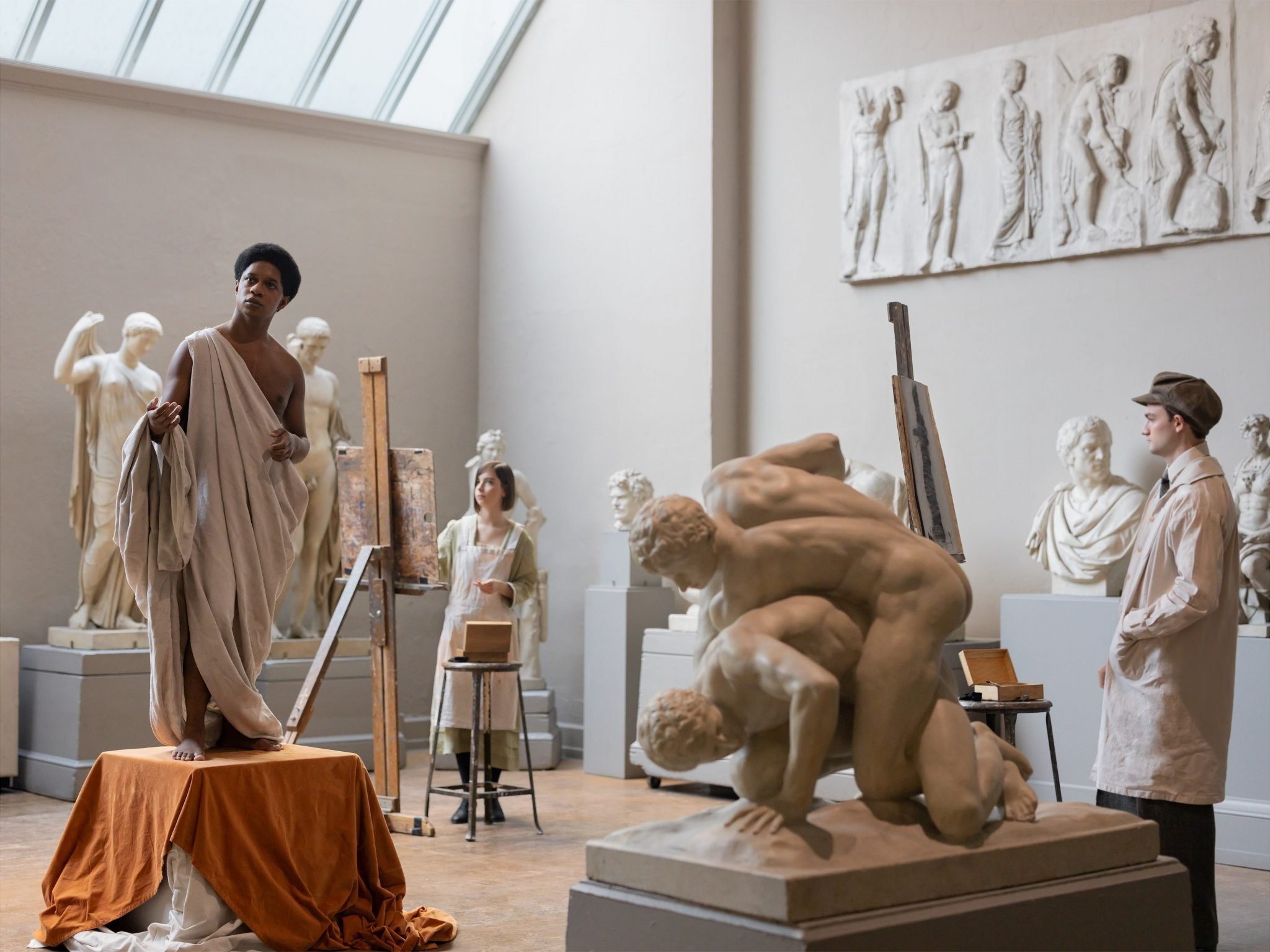
In the editorial note that opens [the] GFA JOURNAL, Dina Giordano traces her relationship with writing back to a seventh-grade creative writing class, where a passage of prose first revealed the artist in the writer. She describes writers as builders of rooms, some clean and modern, others baroque and lingering. Language, she argues, both expands and limits us, and widening the range of voices recovers knowledge that was left out of the history books. The JOURNAL offers writing as another point of access into the private collections the foundation works with, through contributing writers, interviews, and Daily Discoveries, its own field notes on culture, art, and the collection. Its approach is to unlearn and relearn what has been deemed knowledge, and to write and rewrite what has been recorded, in pursuit of a shared knowing. The first online release, 01.A, takes the foundation's founding Warhol exhibition as its anchor and features an interview with curator Tarisse Iriarte, Daily Discoveries on George Platt Lynes, Isaac Julien, Romain Gavras's "Storm," and Kandy G. Lopez, and James Lewis Tucker's essay "An Unexpected Flash." The note closes with an invitation to wander into the lyrical rooms of writers and to listen to the unsung songs of all peoples.
Interview with Tarisse Iriarte
In Conversation: Tarisse Iriarte
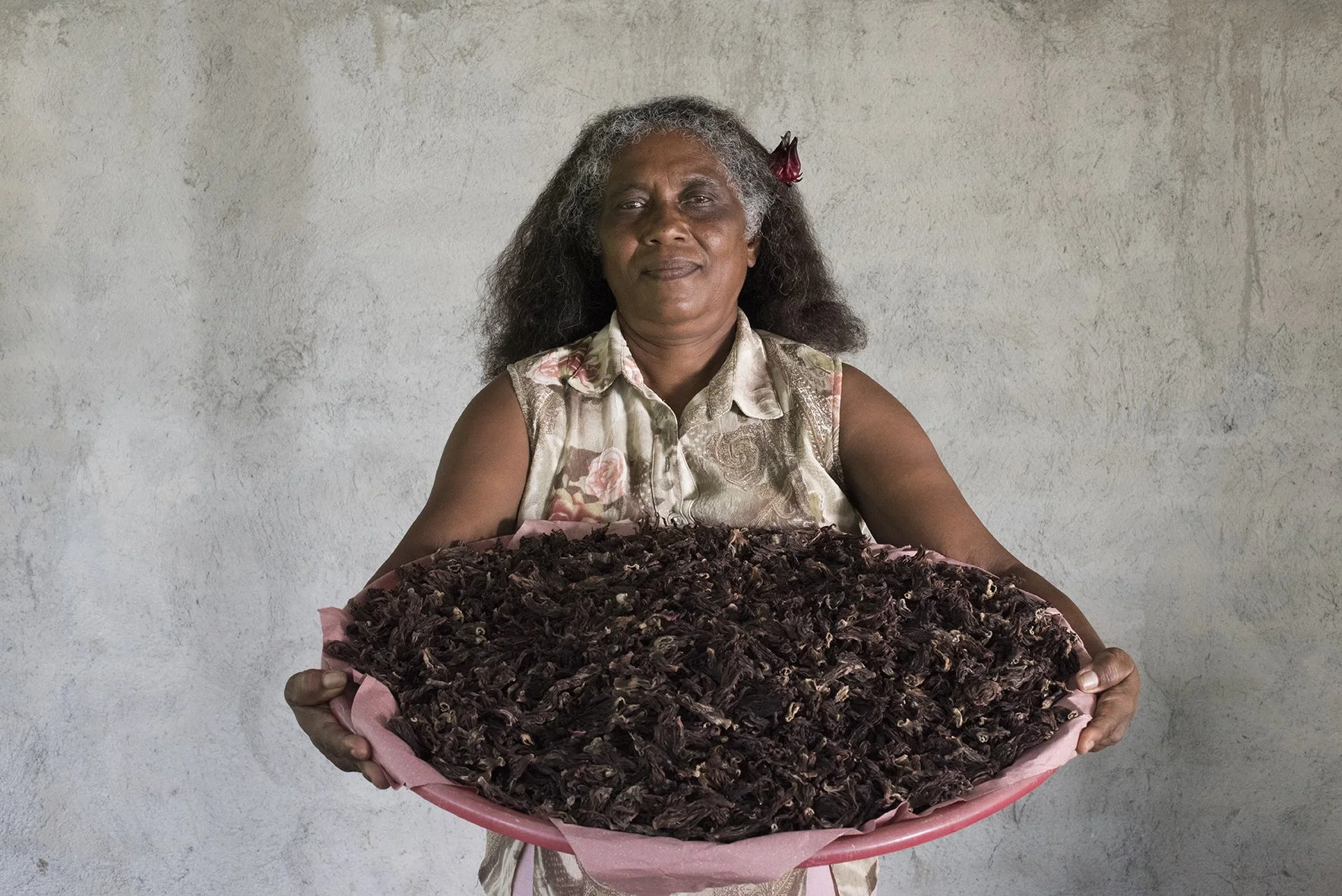
[the] GFA JOURNAL's inaugural interview features Tarisse Iriarte ("Tee"), the Brooklyn-born curator, cultural researcher, and activist behind Curated Concepts. Rooted in Afro-Caribbean heritage across Cuba and Puerto Rico, Tee's practice bridges theory and social practice, bringing ancestral knowledge, ecological justice, and radical curation into conversation with one another. The interview traces her ongoing project, AfroAscendance: Stewards of Sustainability, Soil & Sea, co-created with Afro-Mexican ecofeminist cooperatives on the coast of Oaxaca, and explores how curatorial activism, community care, and rewriting the canon shape her approach to exhibition-making. Drawing on Amílcar Cabral, Maya Angelou, and her own lived experience, Tee speaks to what it means to curate from the liminal spaces between influence and appropriation, and what she hopes the next generation inherits, not just in the art, but in the archive itself.
“We will not be omitted. They will never be able to exclude our stories. It lives in the art, the seeds, the soil, and the sea."
– In Conversation with Tarisse Iriarte, Curator, Interview 01.A Issue
Daily discoveries
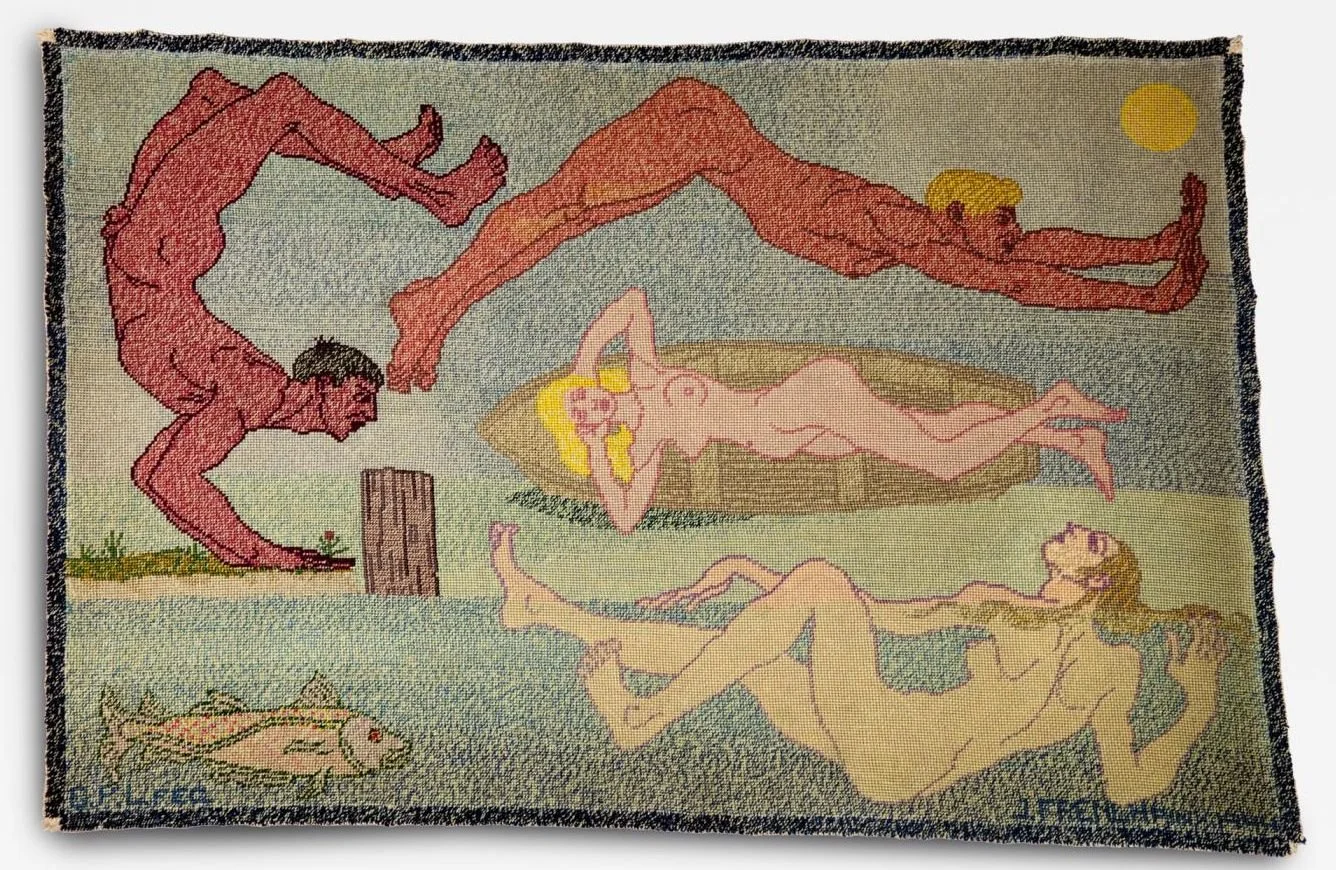
Daily Discoveries [the] GFA JOURNAL's recurring field notes on culture, art, and the collection, shared regularly.
Isaac Julien — A groundbreaking queer artist working through film and installation, whose work has confronted the intersection of sexuality and cultural history since This Is Not an AIDS Advertisement (1988). His recent installation All That Changes You: Metamorphosis connects back to Warhol's own photograph of "The Wrestlers," a shared thread of queer identity across both artists' work.
George Platt Lynes — A new addition to the collection. Lynes was a pioneering American fashion and portrait photographer of the 1930s and '40s who achieved mainstream success while secretly compiling a revolutionary private archive of male nudes as an openly gay man living in a hostile era, legacy explored in the documentary Hidden Master.
Storm, directed by Romain Gavras — A short film considering youth and masculinity in a high school setting, set to an electronic soundtrack. Unlike typical depictions of school life, Gavras paints an unsettling picture of a system wrought with violence, featuring Yung Lean and choreography by Damien Jalet.
Kandy G. Lopez — an Afro-Caribbean American artist based in South Florida whose practice centers on large-scale fiber portraiture, embroidering monumental figures from yarn, hook mesh, spray paint, and stained glass to recover visibility for people from her own community too often rendered small or peripheral. In 2025, she received the Society 1858 Prize for Contemporary Southern Art and mounted her first European solo exhibition at Fondation Florence in Paris; she works with Tarisse Iriarte of Curated Concepts.
James Lewis Tucker, "An Unexpected Flash"
Contributing essay
An Unexpected Flash" is a personal, lyric essay written for Prompt 03, "The Polaroid: Art, Analog Practice, and Archive." Tucker reflects on inheriting the Polaroid notebook of his late friend, Bay Area designer Tom Ingalls, and uses it to think through the relationship between artist, tool, and creative spark. After editorial notes, he revised the piece to engage the prompt more directly and to center on a specific photograph from the notebook. It runs as text only, since the photograph's maker is unknown and the image can't be cleared. The essay is the contributing piece in Issue, release of section 01. A.
James Lewis Tucker is a letterpress printer, poet, and writer based on the Mendocino coast of Northern California. He holds a BFA in Printmaking from MICA, founded and ran The Aesthetic Union, a letterpress shop and gallery in San Francisco, for ten years, and sold it in 2023. He is now Residency Manager at Salmon Creek Farm; he is building a print studio in an old water tower, and he writes the Substack Don't Think Twice.