Isaac Julien
artist/director
Isaac Julien
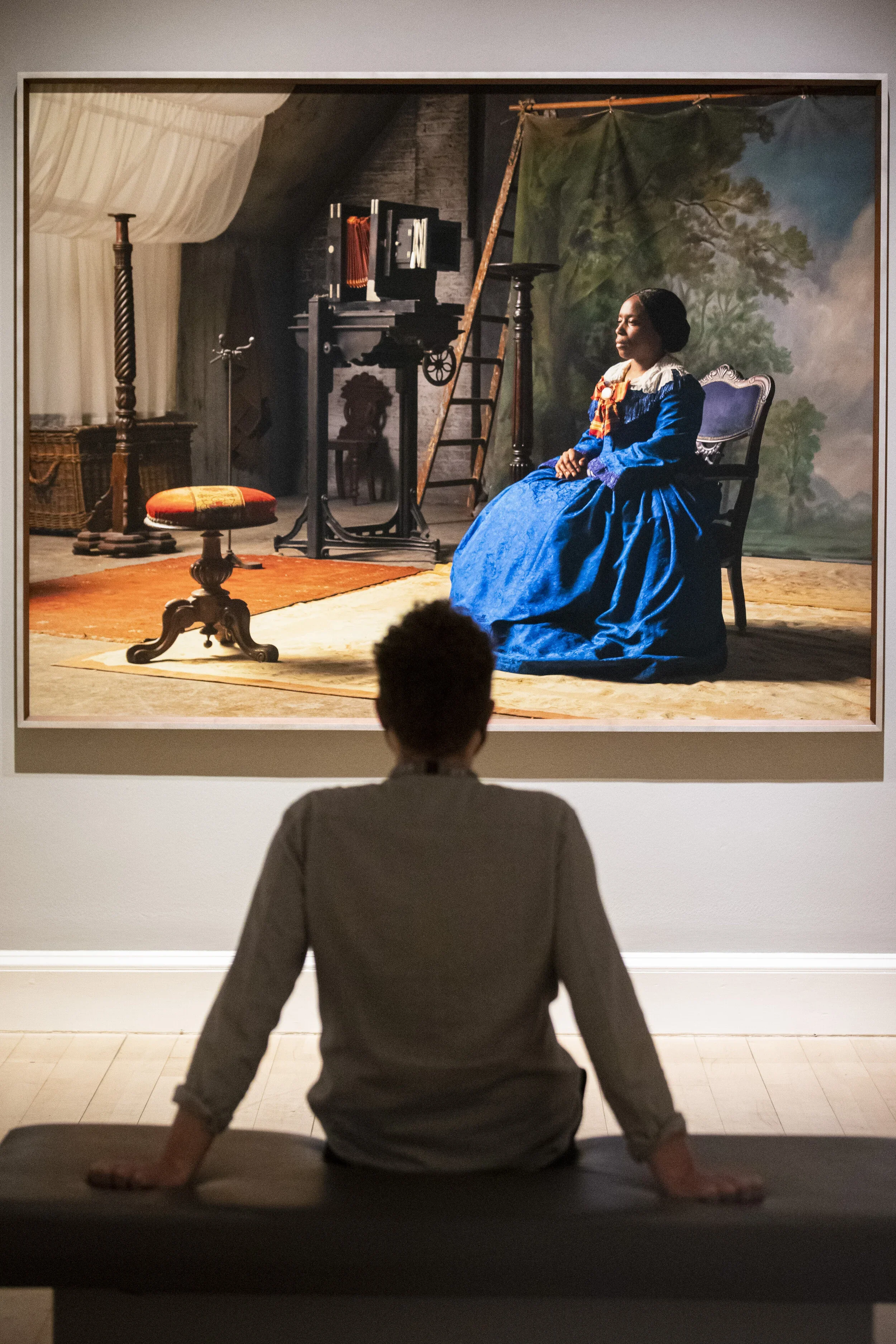
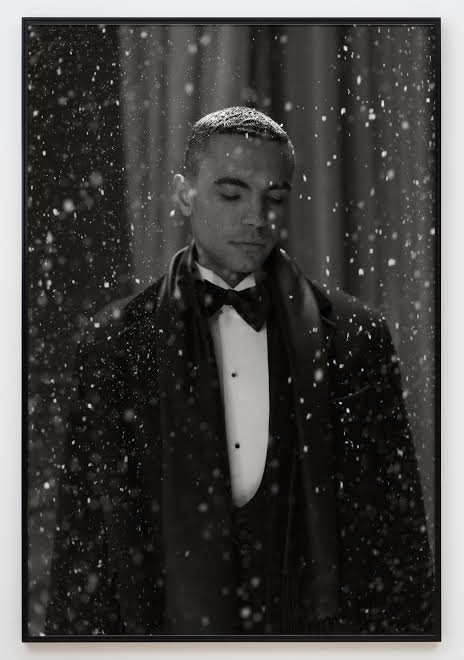
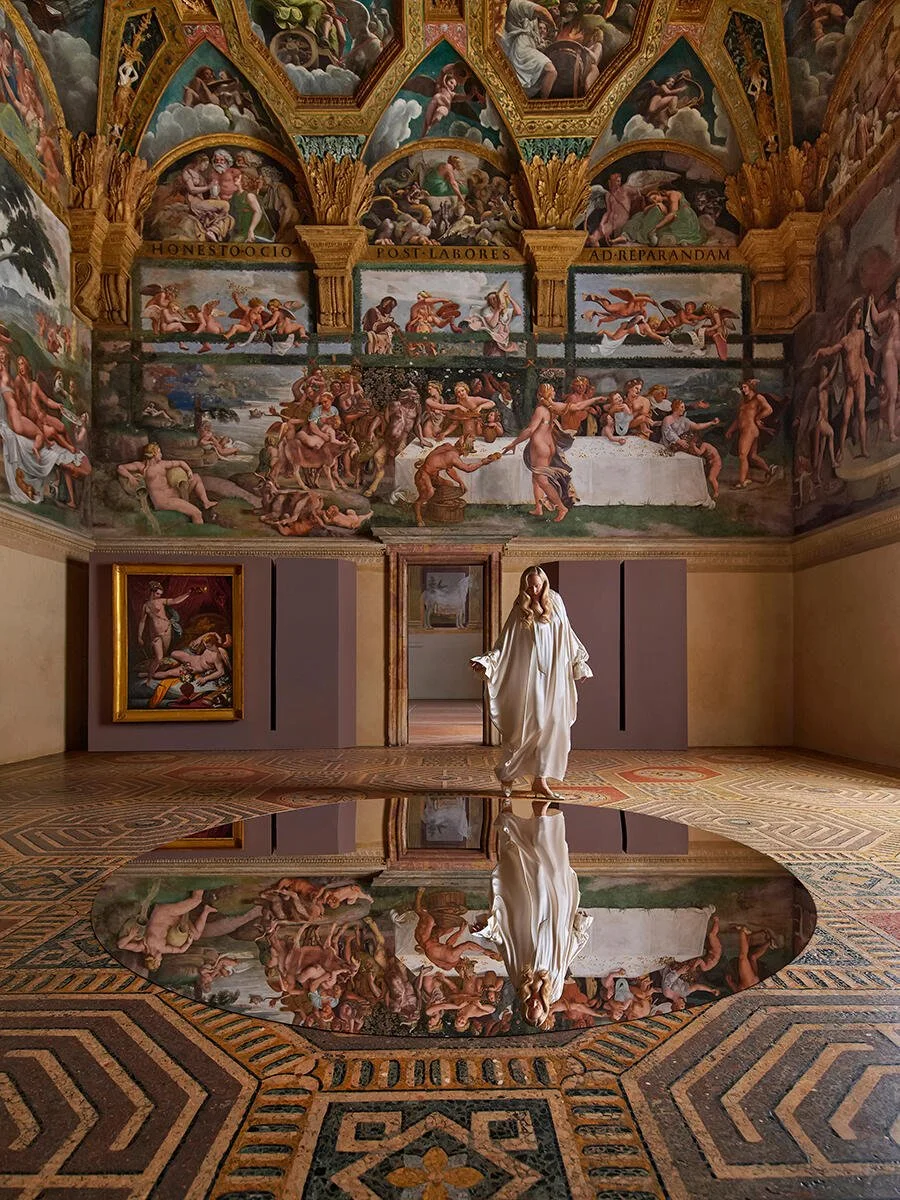
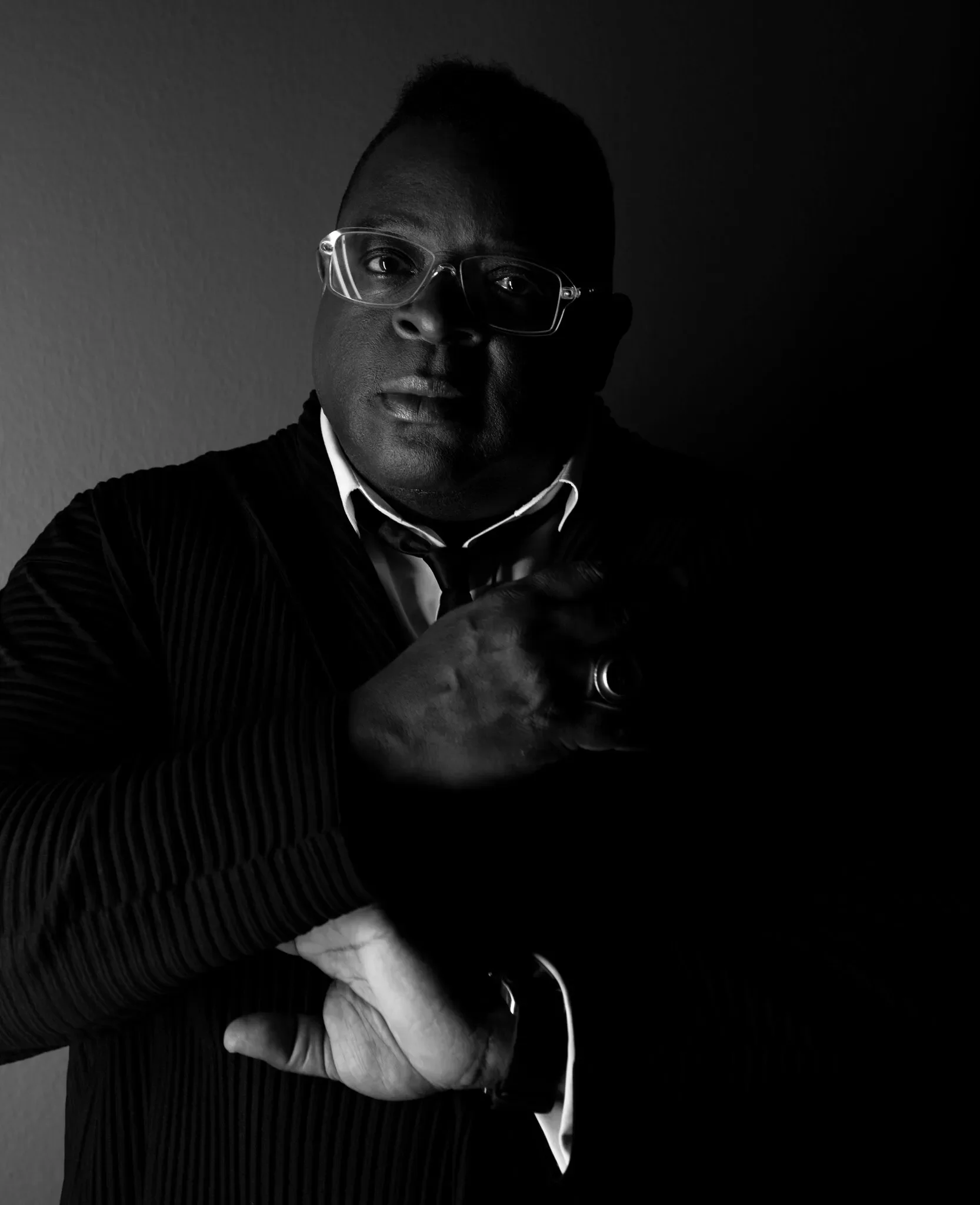
Isaac Julien is a groundbreaking queer artist primarily working through film and installation art. From the start, his work confronted the intersection of sexuality and cultural history in This is Not an AIDS Advertisement (1988), using rich, colorful images alongside a strong political message. Most recently, his work radicalizes thematic conceptions of humanity from a cosmic viewport with All That Changes You. Metamorphosis, currently on view at The Cosmic House in London from 22 April to 18 December 2026.
“...using art as a means of recontextualizing history and dissolving the boundaries between genres underpins all of Julien’s work to date”
GFA’s Field Notes:
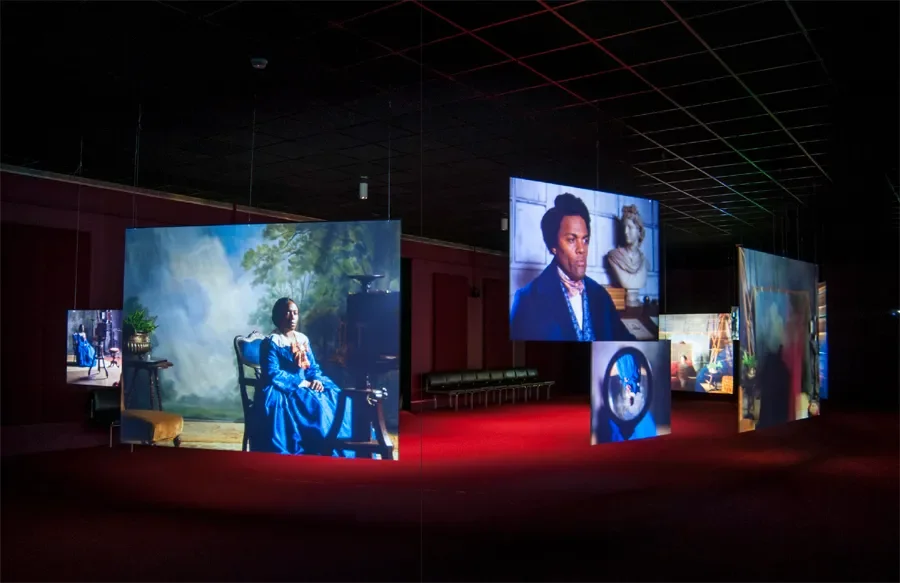
We keep returning to Julien because his work refuses to resolve. Multiple projections, multiple timelines, Multiple mediums, no single vantage point that dictates where to stand. His recent exhibition Looking for Langston doesn't illustrate the Harlem Renaissance so much as haunt it, moving through desire and the archive at the same time, neither subordinate to the other. That refusal to pick a single position, but to linger in the spaces between, is defiance worth sitting with here.
Isaac Julien: Statues Never Die, and Warhol's Wrestlers
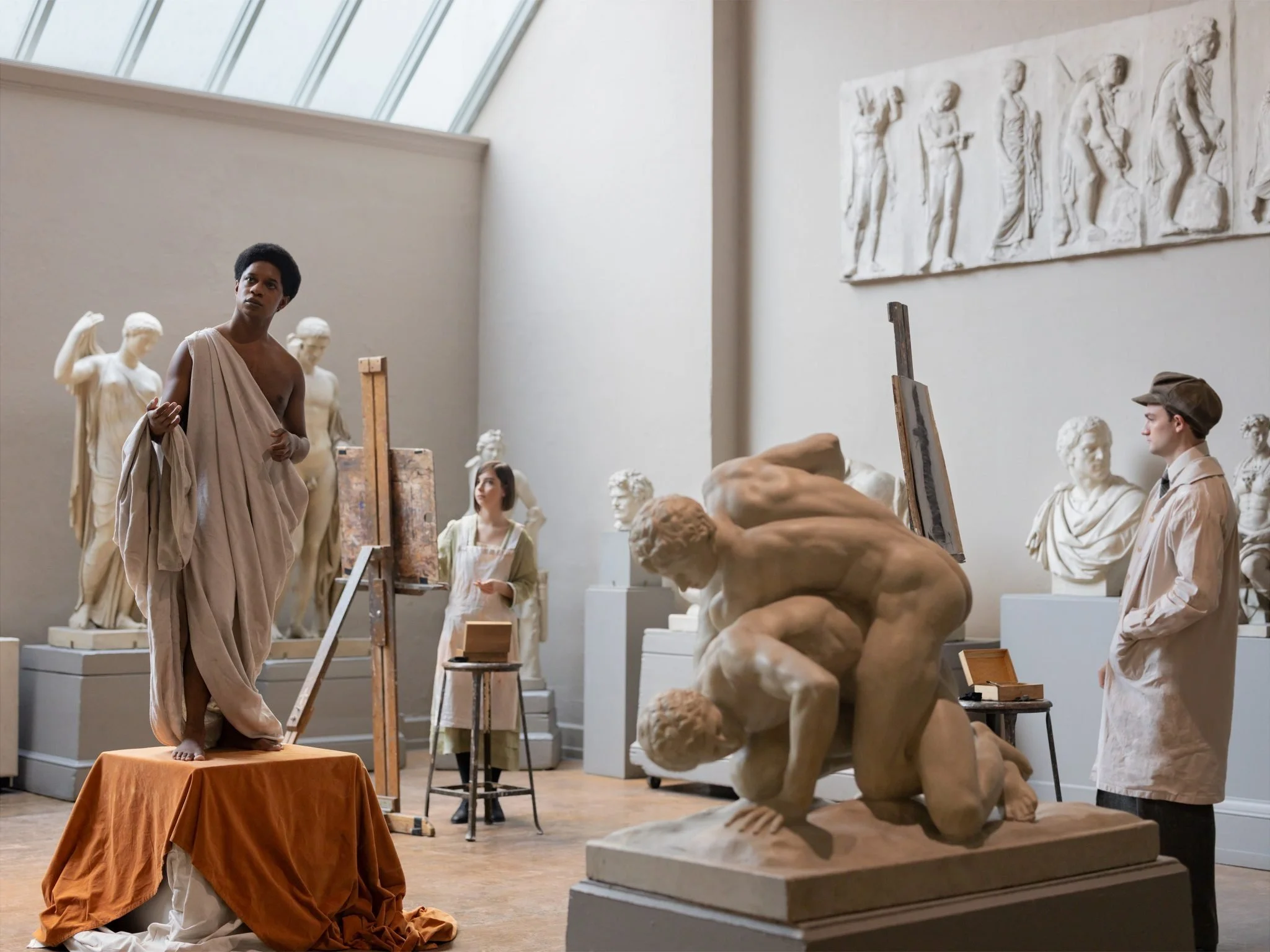
Julien works across film, photography, and installation, and what runs through it all is a refusal to let queer identity, history, or desire sit still in a single frame. Julien's Once Again… (Statues Never Die) stages its own encounter with classical wrestling sculpture, bodies frozen mid-grapple, reframed inside a meditation on how museums hold, and colonize, the bodies they display. The wrestlers become a site where desire, history, and institutional power collide.
Warhol's photograph of The Wrestlers, the same entwined, sculpted male figures, was installed decades later at Berlin's Neue Nationalgalerie for "Andy Warhol: Velvet Rage and Beauty," then put on the cover of Artforum. Two artists, working in different registers and decades, kept returning to the same classical bodies to ask the same question: what does it take for queer desire, cast in stone, photographed, exhibited, re-exhibited? Julien's screens and Warhol's photograph both refuse to let the wrestlers stay abstract.
Art Review; new futures, queer pasts.